 English
 שפה עברית
 беларускі
 Punjabi
 Español
 Português
 русский
 Français
 日本語
日本語 Deutsch
 Italiano
 Nederlands
 한국어
한국어 Malay
Malay हिन्दी
 Türkçe
 العربية
 Indonesia
 Română
 Srpski језик
What Makes an Electronic Desktop Clock a Must-Have for Modern Workspaces?
In today's fast-paced world, time management is critical, whether for work, study, or home organization. An Electronic Desktop Clock offers more than just a way to tell time—it combines style, functionality, and technology to enhance your daily routine. This article explores why an electronic desktop clock is a superior choice, compares it with traditional clocks, and guides you on selecting the best model for your needs.
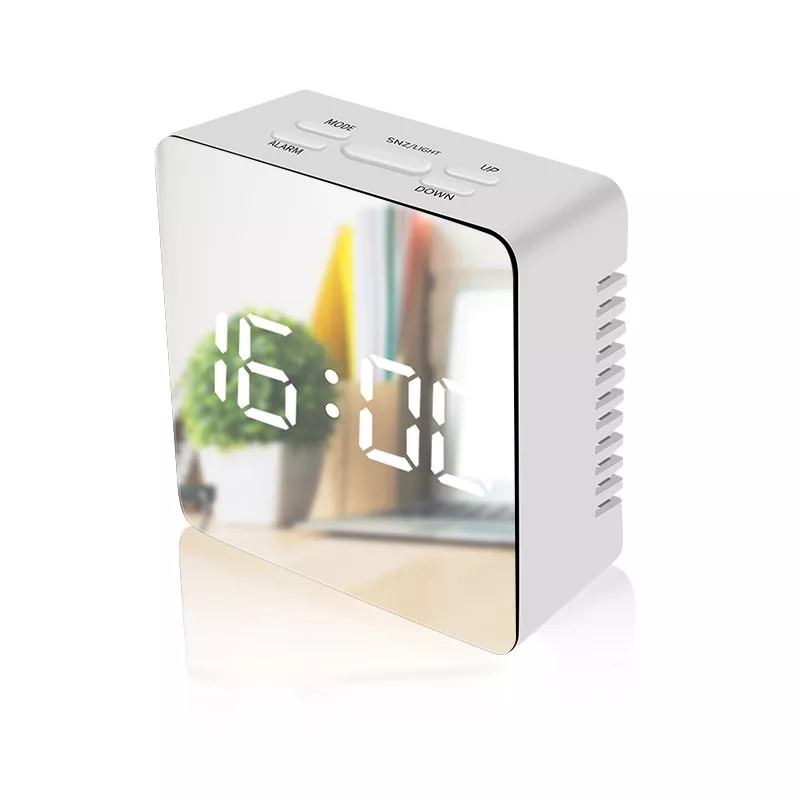
How Does an Electronic Desktop Clock Improve Your Workspace?
An Electronic Desktop Clock is not just a timepiece. It integrates several features designed to improve productivity, convenience, and aesthetics:
-
Accurate Timekeeping: Digital clocks offer precise time accuracy, often synced with atomic clocks or internet time servers.
-
Multiple Functions: Many models include alarms, timers, temperature displays, humidity readings, and even calendar functions.
-
Energy Efficiency: Modern electronic clocks are powered by low-voltage batteries or USB connections, consuming minimal energy.
-
Compact & Stylish Design: Fits neatly on desks or bedside tables, enhancing the overall workspace environment.
Which Features Should You Look for in an Electronic Desktop Clock?
Choosing the right electronic desktop clock requires careful attention to features. Below is a detailed comparison of common features:
| Feature | Description | Benefits |
|---|---|---|
| Digital Display | LED or LCD screen showing time, date, and temperature | Clear visibility even in low light |
| Alarm & Snooze | Multiple alarm settings with snooze functionality | Helps manage tasks and wake-up schedules |
| Calendar Function | Displays day, month, and year | Keeps you organized without checking your phone |
| Temperature & Humidity | Measures room conditions | Enhances comfort and awareness of the environment |
| Power Source | Battery-operated, USB, or AC power | Flexible placement options |
| Design & Material | Sleek plastic, metal, or wooden finishes | Complements modern or classic desk aesthetics |
By understanding these features, you can select a model that meets both practical and decorative needs.
Why Choose an Electronic Desktop Clock Over Traditional Clocks?
Traditional analog clocks have a classic appeal, but electronic desktop clocks offer several advantages:
-
Precision & Accuracy: Digital clocks often have quartz movement or network synchronization, reducing time deviation.
-
Additional Functions: Beyond time, they offer temperature, humidity, date, and alarm functions.
-
Energy Efficiency: Battery and USB-powered options reduce energy consumption.
-
Modern Design: Sleek, minimalist designs fit modern office or home settings.
-
User-Friendly: Easy-to-read digital displays with adjustable brightness improve usability.
Comparison Table: Electronic Desktop Clock vs. Traditional Analog Clock
| Feature | Electronic Desktop Clock | Traditional Analog Clock |
|---|---|---|
| Time Accuracy | High (syncs digitally) | Moderate (mechanical errors) |
| Additional Functions | Alarm, calendar, temperature | Usually only time |
| Power Source | Battery/USB | Mechanical/Quartz battery |
| Design Options | Modern, minimalist | Classic, vintage |
| Ease of Use | Simple, intuitive | Requires manual adjustment |
How Can You Maximize the Use of an Electronic Desktop Clock?
To get the most out of your electronic desktop clock:
-
Position Strategically: Place it where it is easily visible without cluttering your desk.
-
Set Alarms & Timers: Use alarms for breaks, meetings, and task management.
-
Monitor Environment: Use temperature and humidity functions to adjust workspace comfort.
-
Use Night Mode: Reduce screen brightness during nighttime to avoid eye strain.
-
Sync with Devices: Some models support smartphone integration for automated updates.
Best Electronic Desktop Clocks for Different Needs
Depending on your requirements, certain models excel in specific areas:
-
For Professionals: Clocks with calendar, temperature, and multiple alarms.
-
For Students: Compact models with timers and homework reminders.
-
For Home: Stylish designs with night-light functions.
-
For Travelers: Battery-operated clocks with dual time zones.
Electronic Desktop Clock FAQ
Q1: What makes an electronic desktop clock more accurate than other clocks?
A1: Electronic desktop clocks often use quartz movement or network-based synchronization, ensuring high precision. Unlike mechanical clocks, they maintain accuracy with minimal deviation over time.
Q2: How do I choose the right electronic desktop clock for my desk?
A2: Consider size, display type, alarm features, power source, and design. For professional settings, prioritize clarity, multiple alarms, and additional features like temperature or calendar display.
Q3: Can electronic desktop clocks help improve productivity?
A3: Yes. By using alarms, timers, and time displays strategically, they help manage tasks efficiently, avoid procrastination, and structure daily routines effectively.
Q4: Are electronic desktop clocks energy-efficient?
A4: Most modern electronic desktop clocks use low-power LEDs or LCDs and can be powered by batteries or USB connections, making them highly energy-efficient compared to older mechanical or incandescent models.
Conclusion
An Electronic Desktop Clock is more than a timekeeping device. It offers accurate time, multifunctional features, and a modern aesthetic that enhances productivity and comfort. By carefully choosing the right model, you can enjoy a blend of functionality, style, and efficiency in your workspace or home.
For inquiries or bulk purchases, contact Shenzhen Preation Technology Co., Ltd., a trusted provider of advanced electronic timepieces and desktop solutions.
Send Inquiry



X
We use cookies to offer you a better browsing experience, analyze site traffic and personalize content. By using this site, you agree to our use of cookies.
Privacy Policy