 English
 שפה עברית
 беларускі
 Punjabi
 Español
 Português
 русский
 Français
 日本語
日本語 Deutsch
 Italiano
 Nederlands
 한국어
한국어 Malay
Malay हिन्दी
 Türkçe
 العربية
 Indonesia
 Română
 Srpski језик
Where Are Thermohygrometers Used? Common Applications Explained
Temperature and humidity are two important environmental factors that influence human comfort, product quality, equipment performance, and industrial processes. To monitor these conditions accurately, many industries use a device called a Thermohygrometer.
A thermohygrometer combines temperature measurement and humidity measurement in one instrument, allowing users to understand environmental changes in real time. From homes and offices to laboratories and industrial facilities, this small device plays an important role in maintaining suitable environmental conditions.
So, where are thermohygrometers commonly used, and why are they important in different industries?
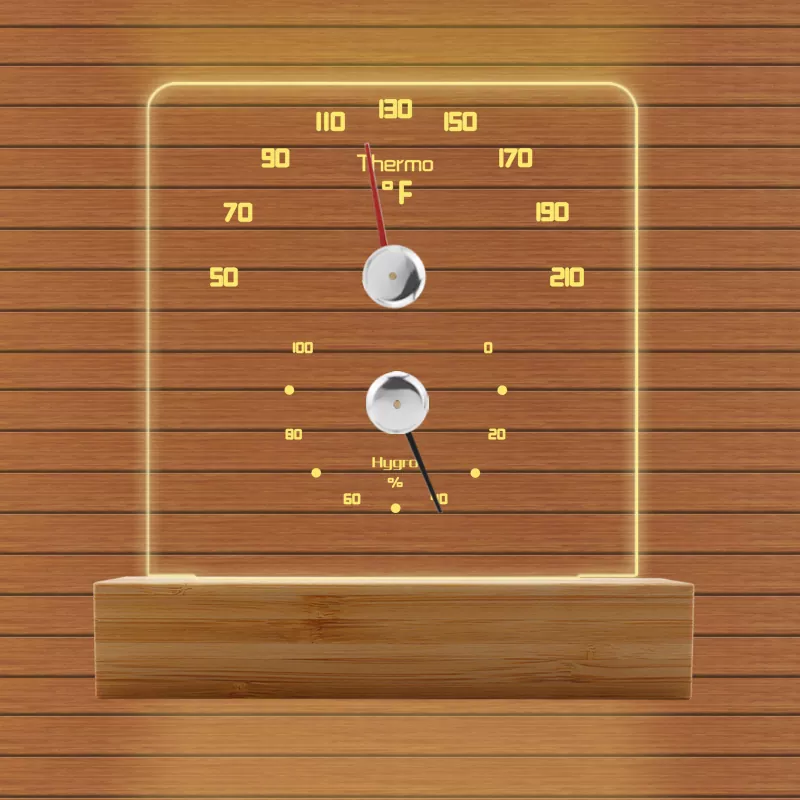
What Is a Thermohygrometer?
A thermohygrometer is an instrument designed to measure both temperature and relative humidity in the surrounding environment.
Unlike a simple thermometer that only measures temperature, a thermohygrometer provides two key environmental parameters:
- Temperature: The level of heat in the environment
- Humidity: The amount of moisture contained in the air
By monitoring both factors together, users can better understand environmental conditions and make adjustments when necessary.
Why Is Temperature and Humidity Monitoring Important?
Temperature and humidity can affect many aspects of daily life and industrial operations.
For example:
- High humidity may cause mold growth or material damage
- Low humidity may create static electricity problems
- Extreme temperatures may affect equipment performance
- Incorrect storage conditions may reduce product quality
A thermohygrometer helps users identify environmental changes and maintain more stable conditions.
1. Home and Indoor Environment Monitoring
One of the most common applications of thermohygrometers is in residential environments.
Indoor temperature and humidity influence daily comfort and living conditions.
Home users often use thermohygrometers to monitor:
- Bedroom humidity
- Living room temperature
- Baby rooms
- Basements
- Storage areas
Maintaining balanced humidity levels can help create a more comfortable indoor environment.
2. Offices and Commercial Buildings
Office buildings and commercial spaces require suitable environmental conditions for employees and visitors.
Thermohygrometers are often used in:
- Office rooms
- Conference rooms
- Hotels
- Shopping centers
- Public facilities
Monitoring temperature and humidity helps improve indoor environment management and supports HVAC system adjustment.
3. Warehouses and Storage Facilities
Many products are sensitive to temperature and humidity changes during storage.
Warehouses use thermohygrometers to monitor conditions for:
- Electronic products
- Food materials
- Textiles
- Paper products
- Packaging materials
Proper environmental monitoring helps reduce damage caused by excessive moisture or unsuitable temperatures.
4. Laboratories and Research Facilities
Laboratories often require strict environmental control because temperature and humidity can influence experiments and testing results.
Thermohygrometers are used for monitoring:
- Testing rooms
- Sample storage areas
- Scientific equipment environments
- Research facilities
Accurate environmental data helps maintain stable testing conditions.
5. Greenhouses and Agriculture
Plants are highly sensitive to environmental changes, making temperature and humidity monitoring essential in agricultural applications.
Greenhouses use thermohygrometers to track:
- Air temperature
- Humidity levels
- Growing conditions
- Ventilation requirements
Farmers and growers can adjust ventilation, watering, and climate control systems based on measured data.
6. Food Storage and Processing
Temperature and humidity control are important in food-related industries.
Thermohygrometers are used in:
- Cold storage rooms
- Food warehouses
- Processing facilities
- Dry storage areas
Maintaining suitable conditions helps protect food quality and storage stability.
7. Pharmaceutical and Medical Environments
Pharmaceutical products and medical supplies often require controlled storage conditions.
Thermohygrometers help monitor environments such as:
- Medicine storage rooms
- Laboratories
- Medical supply warehouses
- Healthcare facilities
Continuous monitoring helps ensure products are stored within recommended environmental ranges.
8. Museums and Archives
Historical documents, artwork, and cultural collections can be affected by changes in temperature and humidity.
Museums and archives use thermohygrometers to protect:
- Paintings
- Books
- Historical documents
- Artifacts
Stable environmental conditions help preserve valuable collections over time.
9. Industrial Manufacturing Facilities
Many manufacturing processes require controlled environmental conditions to maintain product consistency.
Industrial applications include:
- Electronics manufacturing
- Precision equipment production
- Textile processing
- Material testing
Thermohygrometers provide useful environmental information for process management.
Thermohygrometer Applications Comparison
| Application Area | Main Monitoring Purpose |
|---|---|
| Home | Indoor comfort management |
| Warehouse | Product protection and storage control |
| Laboratory | Stable testing environment |
| Greenhouse | Plant growth condition monitoring |
| Food Industry | Quality and storage management |
| Pharmaceutical Industry | Controlled storage conditions |
| Museum | Collection preservation |
| Manufacturing | Process environment monitoring |
How Do Modern Thermohygrometers Improve Monitoring?
Modern thermohygrometers have developed beyond simple measurement devices.
Many advanced models now include:
- Digital displays
- Data recording functions
- Wireless monitoring
- Alarm notifications
- Smart system integration
These features make environmental management more convenient and efficient.
How to Improve Thermohygrometer Measurement Accuracy?
Correct usage is important for reliable measurement results.
Users should consider:
- Installing the device away from direct sunlight
- Avoiding locations near heat sources
- Allowing enough air circulation
- Regularly checking sensor performance
Conclusion
Thermohygrometers are widely used in homes, commercial buildings, warehouses, laboratories, agriculture, healthcare, and industrial environments because temperature and humidity affect many aspects of modern life.
By providing accurate environmental data, thermohygrometers help users maintain suitable conditions, protect products, improve processes, and create more comfortable spaces.
Although small in size, this measurement device plays an important role in environmental monitoring across many industries.
Send Inquiry



X
We use cookies to offer you a better browsing experience, analyze site traffic and personalize content. By using this site, you agree to our use of cookies.
Privacy Policy